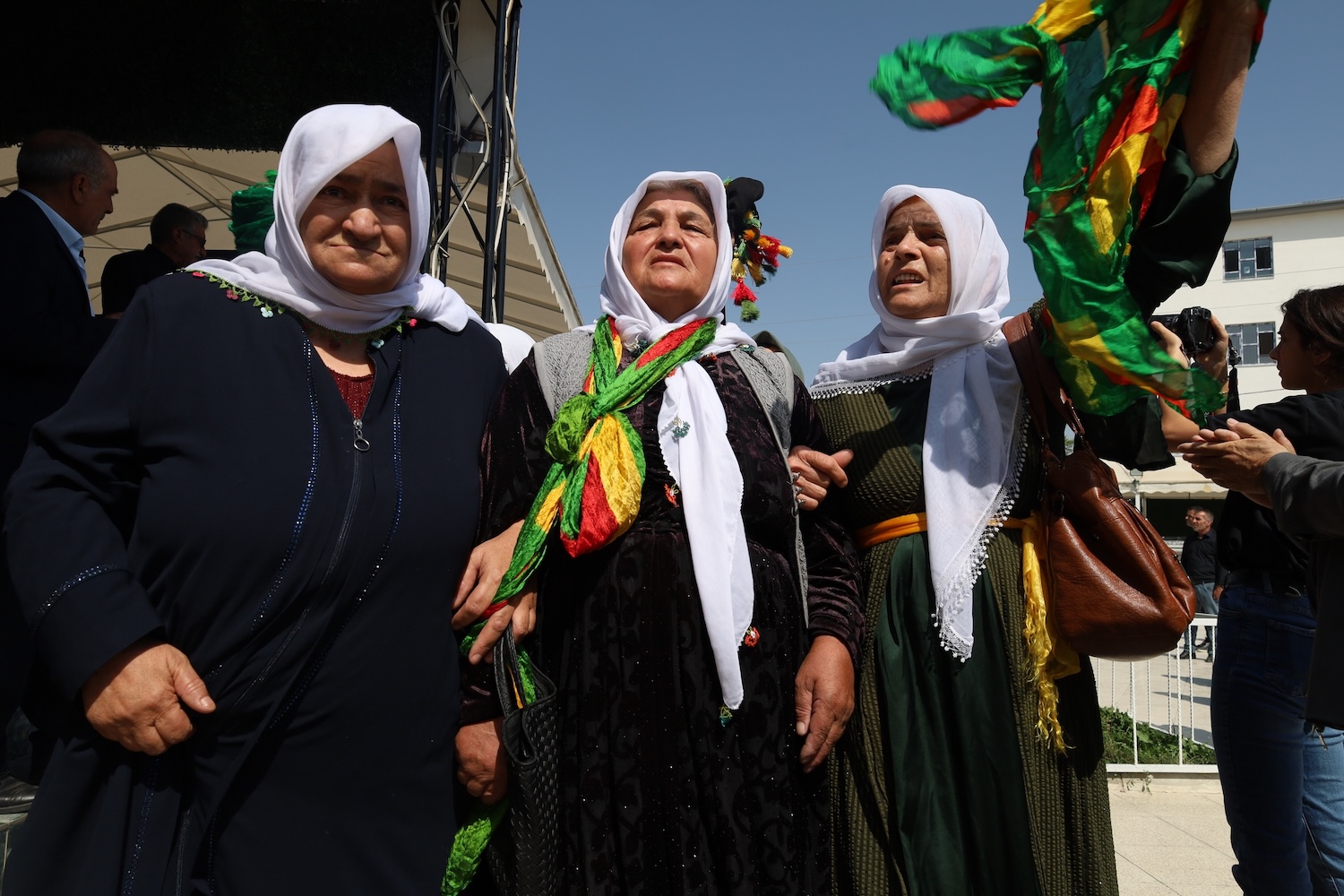
Havîn Al-Sîndy, Céline Semaan, and Payam Sharifi in conversation with Hanno Hauenstein on translation, embodied memory, and the power to name experience
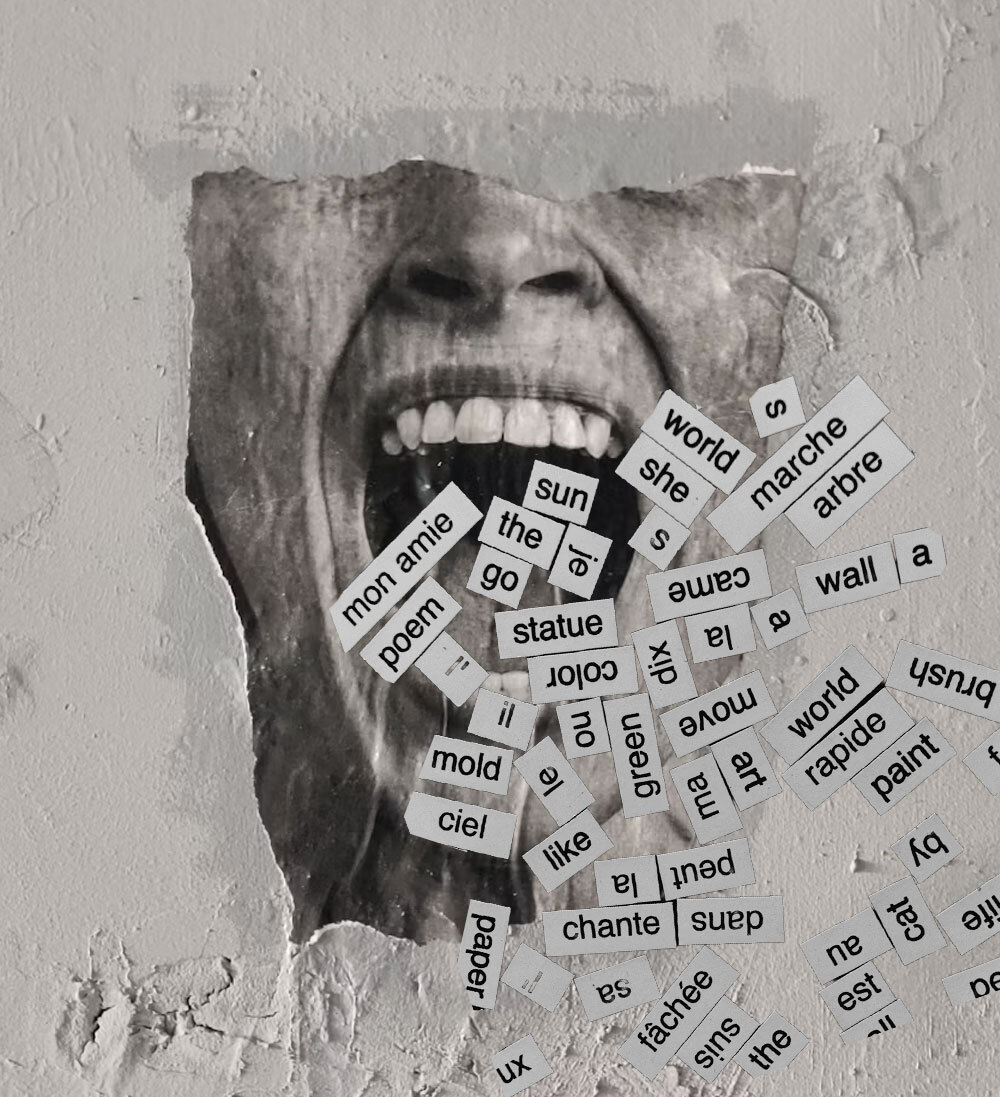
Nearly every alphabet in use today got where it is by conquest, or by a state deciding that a population would now read differently, as Turkey did in 1928 when Atatürk replaced Arabic script with Latin letters over a matter of months. Border officers police accents on a smaller scale, as do dinner guests, who ask where someone is really from and then listen to the answer for clues. Memory, however, is harder to police. People revise a story slightly with every retelling, while some people remember things physically, with no sentence attached to the memory at all.